1,020 Total Reviews · Performed by PS Specialist · 1 min from Nonhyeon Stn.
Revision

Revision Rhinoplasty

Rhinoplasty Revision

VVLY's core expertise in precisely correcting difficult revision cases like contracture, visible implants, or deviated nose.

About Revision Rhinoplasty

What is Revision Rhinoplasty?

What is Revision Rhinoplasty?

Revision rhinoplasty is far more precise and demanding than a first-time procedure, because scar tissue, deformed cartilage, and skin damaged by previous surgery all have to be taken into account.

As one of the clinics that handles revision rhinoplasty most frequently, VVLY has extensive experience with both autologous and donor rib cartilage. Rather than simply replacing the implant, we take an approach that reconstructs the structure of the nose itself.

To ensure no further failures, we proceed with accurate diagnosis and a safety-focused approach.
VVLY Signature for Revision

BESPOCO®

The most precise answer for revisions

Revision surgery is much more complicated than standard rhinoplasty due to contracture, asymmetry, and damaged tissue from previous implants.
Ready-made implants have clear limits. BESPOCO accurately diagnoses the current state of your nose and reconstructs it
with a customized 3D implant or an autologous cartilage particle graft.
We aim to reach the desired outcome in a single revision surgery.

01
3D Custom Implant

Customized 3D Implant

After precise CT analysis of nasal bone damaged by prior surgery, we 3D-print an implant exclusively for each patient's nose.

  • Precisely fabricated to match the deformed nasal bone
  • Asymmetry/left-right difference correction available
  • Thickness and curve designed to suit your skin
  • Minimize Risk of Contracture/Shifting
02
Diced Rib Cartilage

Autologous Particle Graft

A method of dicing one's own rib cartilage into small particles before grafting. Because it uses your own tissue, the risk of rejection is low.

  • Safe for life (own tissue)
  • Diced into fine particles for natural curves and a soft feel
  • Almost no risk of contracture
  • Optimal for severe contracture/3rd+ revision
BESPOCO Process
01
CT Precision Diagnosis
Analysis of prior surgery and damage
02
Reconstruction Design
Nose Structure Recon Simulation
03
3D Printing / Processing
Custom implant or rib cartilage prep
04
Precision Revision
Performed by Director Kim
The Surgeon
Indications

Who Is This For? Revision Rhinoplasty Indications

I.
Contracted Nose
Hardened implant causing a short, upturned nose
II.
Implant Visibility
Cases where silicone implant is visible through skin
III.
Deviated Nose Recurrence
Cases where the nose deviates again over time
IV.
Low (collapsed) Nose
Cases where the bridge sinks over time
V.
Nasal Tip Deformation
If the nasal tip is drooping or crooked
VI.
Inflammation / Side Effects
Inflammation or implant side effects
Procedure Steps

VVLY's unique Surgical Process Precise 4-step surgery

01
Precision Diagnosis
Accurately identifying prior surgery status/damage via CT scan.
02
Reconstruction Design
Reconstructive design rebuilding nose structure using auto/donor rib cartilage.
03
Precision Revision
Delicately removing scar tissue, cartilage grafting, and implant repositioning.
04
Intensive Aftercare
Meticulous aftercare for revisions. 6-month intensive care system.
Surgery Information

Surgery Information Procedure time, recovery, anesthesia

Duration
Approx. 2-4 hours (Longer for complex cases)
Anesthesia
Sedation Anesthesia
Stitch Out
7–10 Days Post-op
Recovery
Daily life 2 weeks, swelling stability 1-3m, final 6-12m
Hospitalization
Same-day Discharge Available
Materials
Auto Rib / Donor Rib / Septal / Ear Cartilage
Before & After

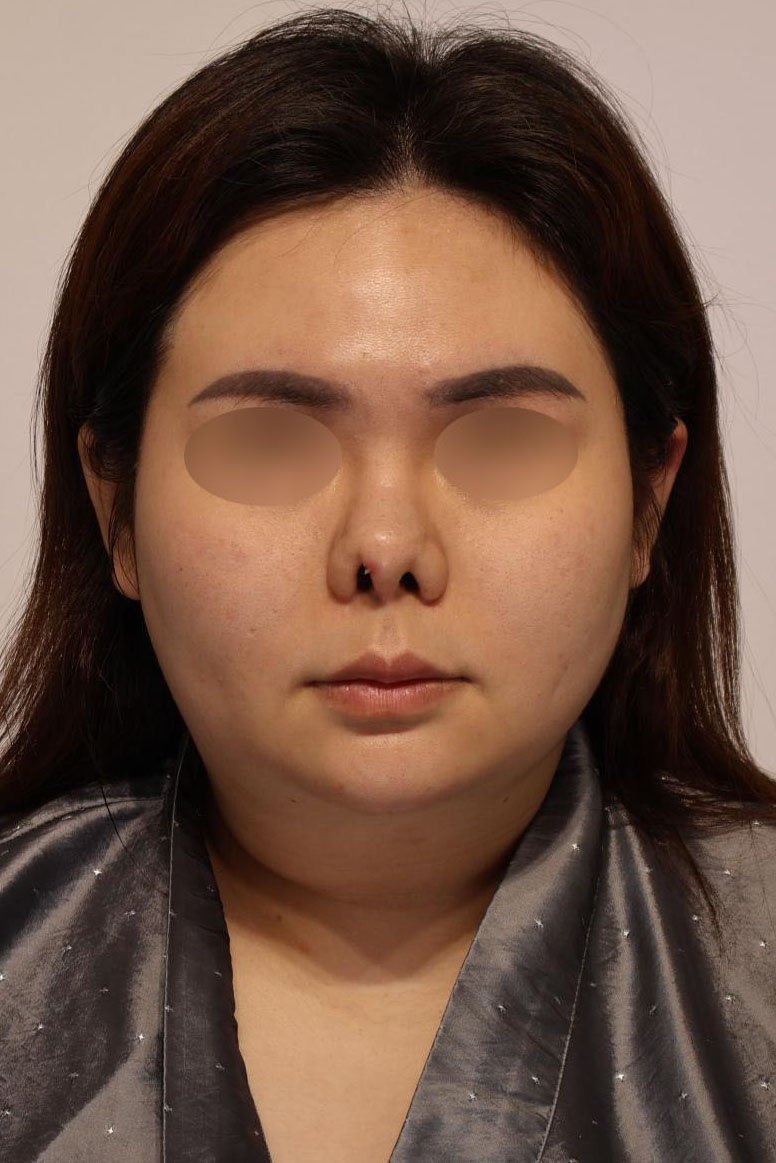
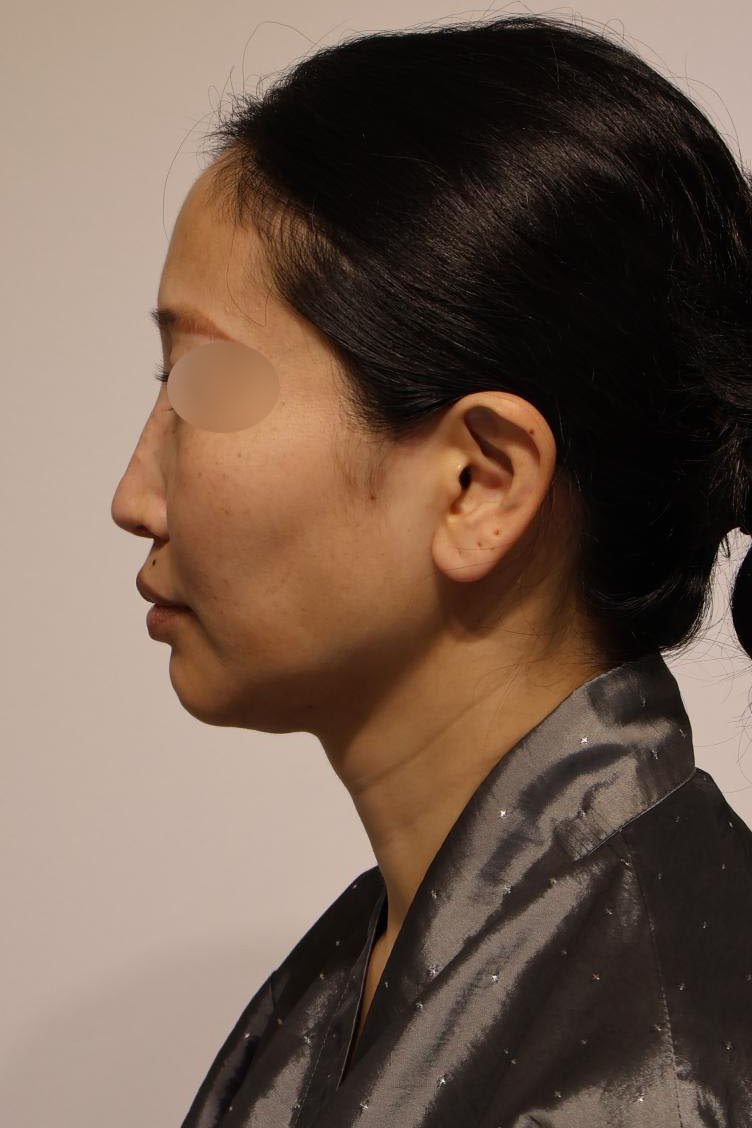
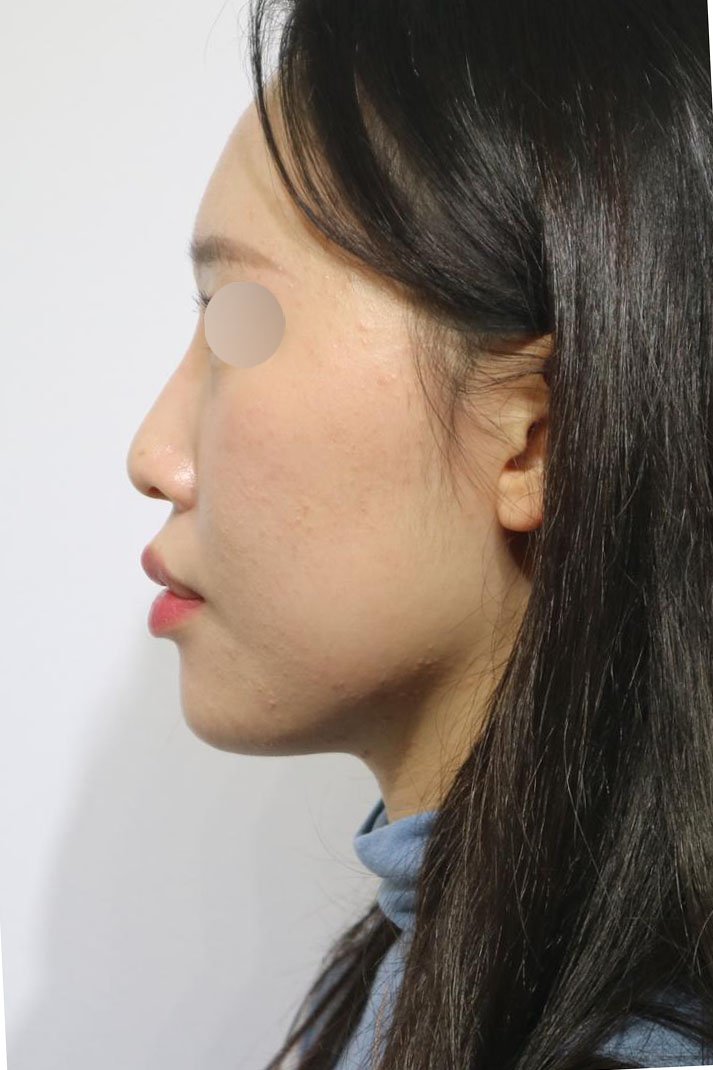
Rhinoplasty Revision Case Actual Patient's Change

BEFORE
AFTER
Rhinoplasty Revision before photo (Case 1)
After
BEFORE
AFTER
Rhinoplasty Revision before photo (Case 2)
After
BEFORE
AFTER
Rhinoplasty Revision before photo (Case 3)
After
View more of this case →

※ Published with patient's prior consent under Art. 56 of Medical Act. Results may vary individually.

F.A.Q

FAQ (Frequently Asked) Question Revision Rhinoplasty FAQ

Q.How much more difficult is revision surgery compared to the first surgery? +
Revision surgery requires accounting for both the scar tissue formed by the previous operation and the altered anatomical structure. Unlike primary surgery, where normal tissue planes remain intact, the process of releasing adhesions requires managing the risk of damage to the skin and cartilage. The amount of usable cartilage is often limited, making material selection and structural design important. This is why accurate preoperative assessment largely determines the outcome.
Q.How many months after the previous surgery can revision be performed? +
We generally recommend waiting six months to one year. Swelling needs to subside and scar tissue and adhesions need to stabilize before accurate assessment and correction are possible. However, in situations where tissue damage is progressing — such as infection or implant exposure — earlier intervention may be necessary regardless of timing. Since current tissue condition matters more than elapsed time, an examination should come first.
Q.How do you choose between autologous and donor rib cartilage? +
The decision considers the amount of cartilage required, the patient's age and degree of rib cartilage calcification, and their acceptance of scarring. Autologous rib cartilage is your own tissue, so concerns about absorption or rejection are lower, but it requires an incision in the chest area. Donor rib cartilage requires no additional incision and shortens operating time, but involves material costs. Autologous cartilage is often preferable when severe contracture requires a large volume, while other options are available when only partial reinforcement is needed, so this is decided together during consultation based on your condition.
Q.Can a contracted nose be corrected in a single surgery? +
It depends on the degree of contracture. Mild to moderate contracture can often be corrected in one surgery by adequately releasing scar tissue and reconstructing structural support with cartilage. However, a staged approach may be necessary when the skin has thinned from multiple previous surgeries or tissue damage is severe. Forcing length gain in a single procedure increases the risk of recurrent contracture, so assessing what the tissue can tolerate is important.
Q.How many times can revision surgery be performed? +
There is no medically defined limit, but each additional procedure accumulates tissue damage and increases difficulty. This is why reaching the goal in a single revision is important.
Q.How long is the recovery period after revision surgery? +
The splint is typically removed after seven days, and daily activities can resume from that point. Visible swelling largely subsides over one to two weeks, but it takes six months to a year for subtle swelling at the nasal tip to fully resolve. Revision surgery involves more scar tissue than primary surgery, so swelling tends to persist longer. Recovery speed varies between individuals.
Q.Can surgery performed at another clinic be revised here? +
Yes. Knowing the materials and surgical method used previously helps in planning, though it is not essential. Even without that information, examination and imaging can determine the current condition. We decide on the approach after reviewing your surgical history, current concerns, and desired direction together.

Begin Your Journey Now, the Start of Change

Get a 1:1 customized consultation at VVLY.
Board-certified surgeon diagnoses and designs.

Online Consultation → KakaoTalk Consultation
KakaoTalk
Consultation
Phone
Consultation
Online
Booking / Reservation
Phone KakaoTalk Chat Appointment Request